lifestyle
Fort Worth Cafes Shape Neighborhood Culture Across Historic Districts
From the historic brick streets of the Stockyards to the revitalized corridors of South Main, local cafes are defining the city’s social identity.
How we reported this
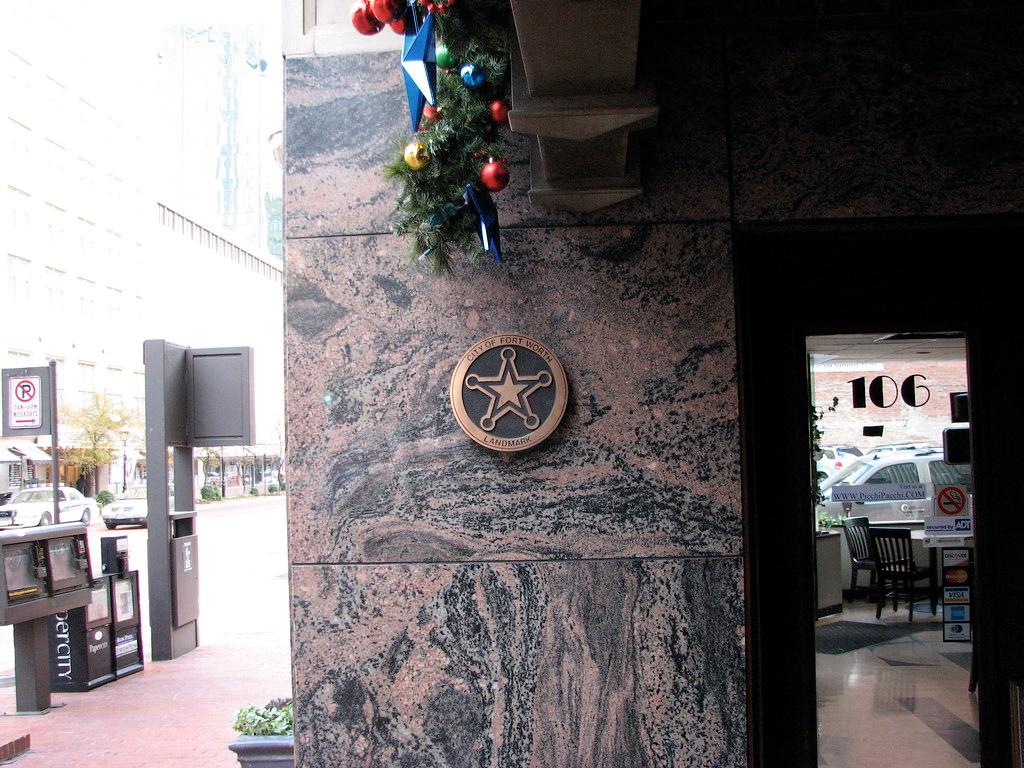
Fort Worth’s coffee scene has evolved from simple caffeine pit stops into a network of community anchors that shape the character of the city’s most distinct neighborhoods. Today, these venues serve as the primary gathering spaces for residents, balancing the city’s deep-rooted western heritage with a modern focus on artisanal roasting and communal architecture.
The Pulse of the South Main Village
In the South Main Village, the neighborhood character is defined by a blend of industrial history and creative energy. Venues like Cultivar Coffee Roasters occupy a space that mirrors the district’s transition from a warehouse zone into a destination for local makers. The vibe here is deliberate; seating arrangements are designed to facilitate conversation among freelancers and neighborhood families alike, reflecting a broader trend of residents prioritizing local connection over national chains.
This shift is mirrored across the Trinity River in areas like Near Southside, where the community vibe is anchored by institutions such as Roots Coffeehouse. These spaces often host local art showcases and neighborhood meetings, acting as unofficial town halls that ground the city’s rapid development in consistent, local interactions. The emphasis remains on transparency, with many of these roasters sourcing beans through direct-trade relationships, a practice that has become a benchmark for business operations in the downtown area.
Economics and Neighborhood Growth
The growth of these local institutions is not merely a matter of taste; it is tied to the shifting demographics of Tarrant County. Recent data from the Fort Worth Chamber of Commerce indicates that small business investment in the central city has remained strong throughout the current fiscal year. While consumer costs fluctuate, the local coffee sector has managed to maintain consistent demand by positioning itself as an affordable luxury that provides a distinct social experience compared to home office environments.
For those looking to explore these neighborhoods, the best approach is to visit outside of the primary morning rush. Weekday afternoons in the Magnolia Avenue corridor often reveal the quiet, productive side of the city’s cafe culture, where the pace slows to accommodate longer-term residents and local entrepreneurs. As the city continues to densify, these coffee shops will likely remain the primary testing grounds for new neighborhood developments and local civic initiatives.