news
UTA Advances AI Trust Framework for Secure Scientific Research
The July 22, 2026 announcement continues UTA's focus on frameworks that monitor and secure AI use in scientific settings.
How we reported this
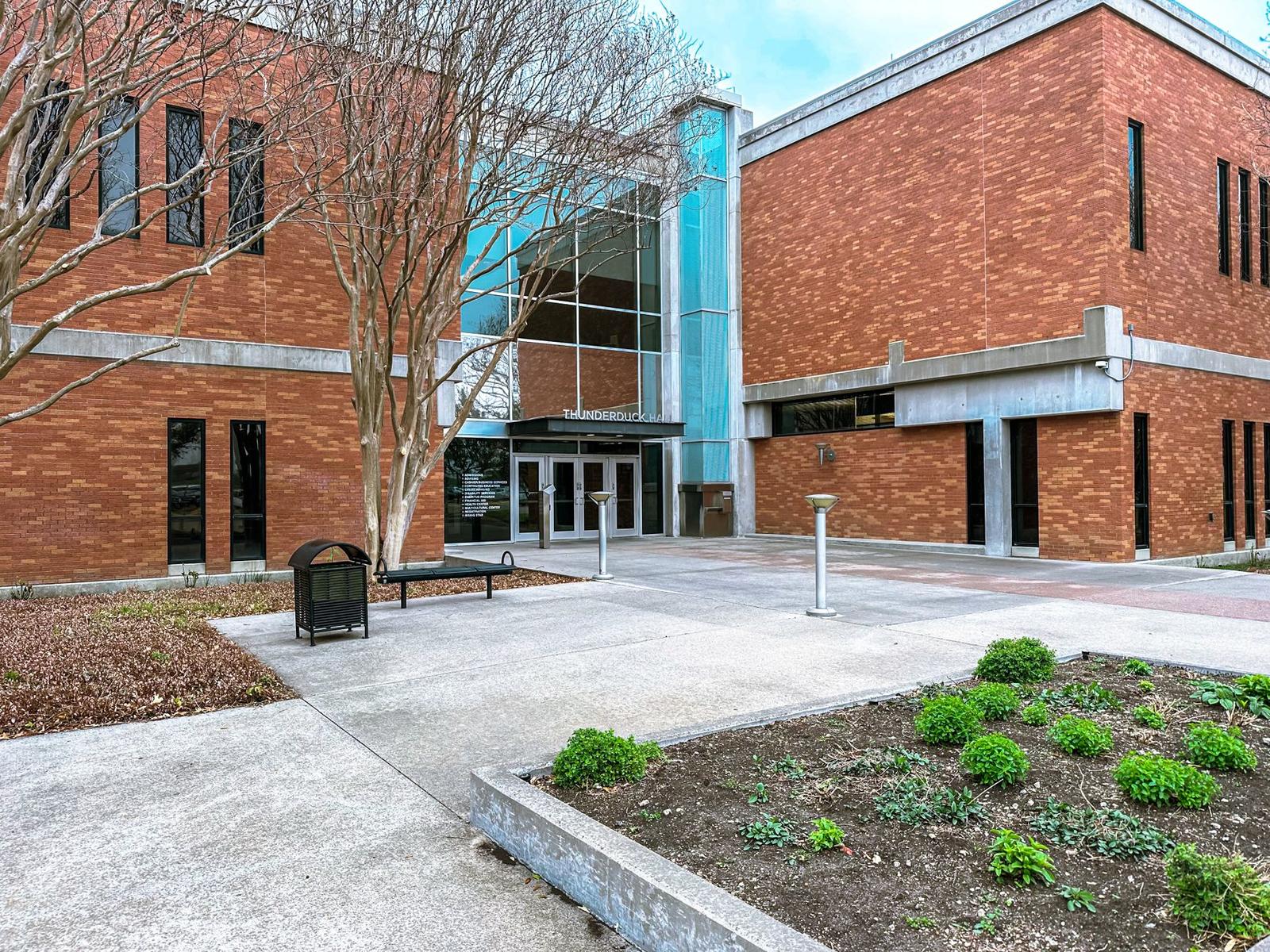
The University of Texas at Arlington announced on July 22, 2026 that it will lead a DOE-funded project titled “Real-Time Trust and Resilience for AI-Driven EPICS Scientific Workflows” as part of the Genesis Mission. The effort is led by Habeeb Olufowobi, a faculty member in the computer science and engineering department. The project centers on creating tools that address risks when AI systems support high-value scientific operations.
Context on the project's focus
UTA describes the work as adding a real-time trust layer that monitors AI behavior during experiments. The layer assesses AI-generated outputs and blocks suspicious or unreliable results before they reach scientific operations. This approach targets environments that require quick responses and clear explanations of any flagged issues.
The framework is intended for low-latency performance inside EPICS environments. It incorporates explainable risk scoring, safe response policies, and human supervision at key decision points. These elements are presented as ways to keep AI contributions reliable without slowing down established scientific workflows.
Local research setting
UTA has maintained active programs in artificial intelligence, cybersecurity, and data-related research through its engineering and science units. The current project aligns with those programs by extending existing work on secure systems into new scientific applications. Faculty and students in computer science and engineering are positioned to contribute directly to the effort.
Project goals and preparation
UTA states the overall aim is to make AI safer, more trustworthy, and more resilient when used in high-value scientific research. The university also notes that the project will help prepare students for roles in AI development, cybersecurity, and work at national laboratories. This preparation component builds on the department's ongoing training in these areas.
Next steps
Details on implementation timelines and specific test cases will come from the project team as the work advances. Updates are expected through standard university channels once the Genesis Mission phase begins.
References Sourced but Not Limited to:
- fortworthreport.org · Uta leads 750k project to reduce ai risks in scientific experiments
- uta.edu · Uta selected for land mark doe ai initiative
- dallasinnovates.com · Nasa invests 750k in uta materials research to improve advanced air...
- uta.edu · Ai mi big data
- carida.uta.edu · Extramural funding
- keranews.org · Too important to fail uta monitors impact of federal orders on 155m in...
- uta.edu · Uta increases interdisciplinary grants
- dallasinnovates.com · Uta researcher gets 568k nsf grant to explore ai systems vulnerability...
- uta.edu · Uta awards spark new research