Politics
Fort Worth Candidates Answer Tough Questions on Jobs, Roads, Services
With the city's population pushing 980,000 and infrastructure spending under pressure, Fort Worth voters are pressing candidates on what they will actually do about employment pipelines, pothole-riddled streets and overstretched public services.
How we reported this
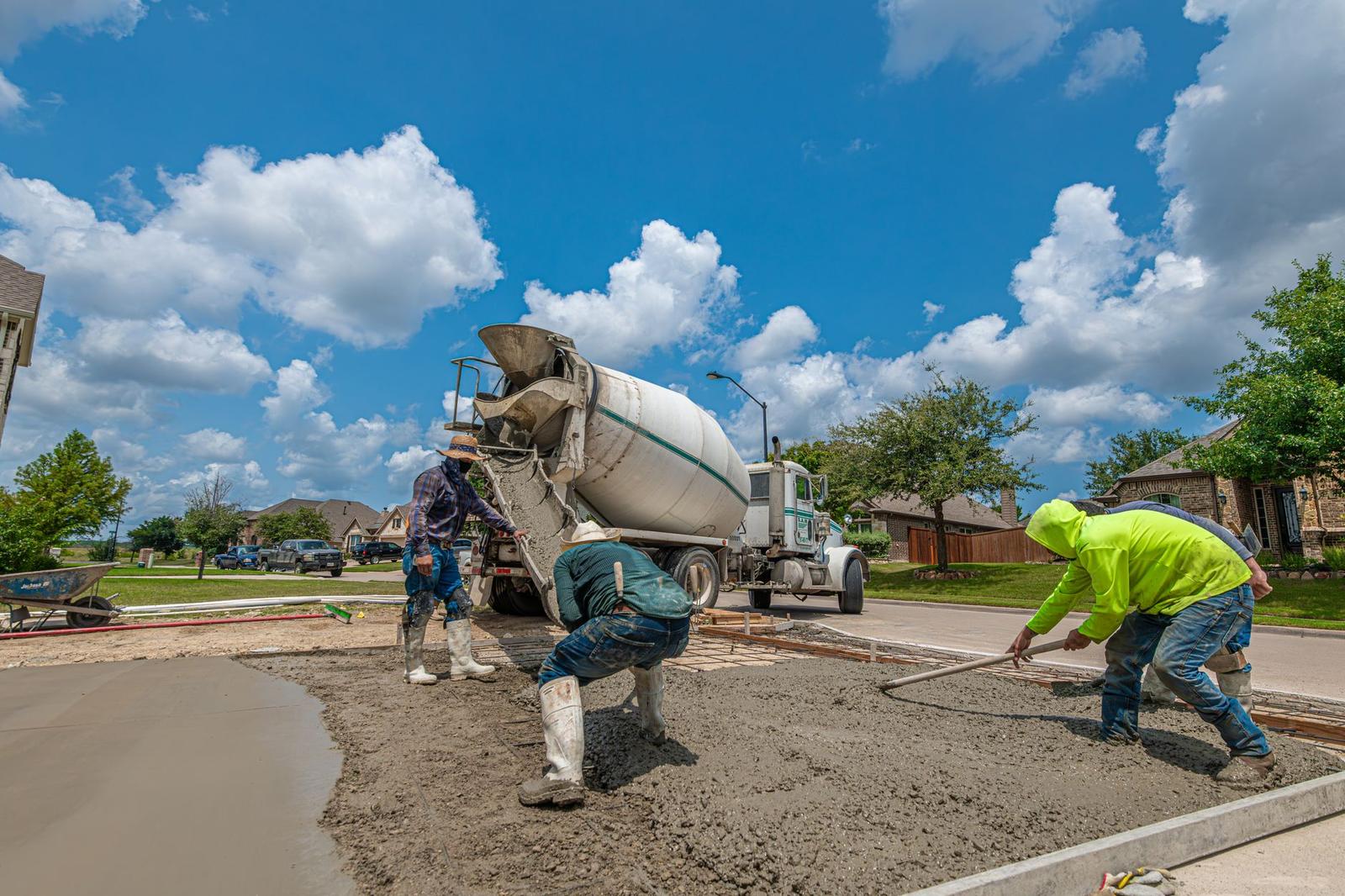
Fort Worth's November 2026 municipal election cycle is shaping up around three policy fronts that residents say hit them hardest in daily life: job creation and workforce pipelines, the pace of infrastructure repair, and the capacity of city services to keep up with one of the fastest-growing large cities in the United States. Candidates running for city council seats across the city's nine single-member districts are under pressure to move past general promises and commit to specifics, particularly on how federal funding uncertainties will affect local budgets.
The timing matters. Fort Worth's adopted Fiscal Year 2026 budget totaled roughly $2.3 billion, with capital improvement projects consuming a significant share of that figure. The city's Public Works department has identified a backlog of street maintenance needs running into the hundreds of millions of dollars, a figure that has grown as the population has expanded by more than 20 percent over the past decade. Meanwhile, the Tarrant County unemployment rate has held below the national average, but workforce advocates note that wage growth in the region's dominant sectors, logistics and aviation-related manufacturing, has not kept pace with Fort Worth's rising cost of living.
What Candidates Are Being Asked to Deliver
At candidate forums organized by groups including the Fort Worth Metropolitan Black Chamber of Commerce and the Tarrant Area Food Bank's policy arm, the questions follow a recognizable pattern. Residents in districts on the city's south and east sides ask about the timeline for street resurfacing projects that have been deferred repeatedly. Workers in the Alliance corridor ask whether the city will expand vocational training partnerships with Tarrant County College, which currently enrolls around 50,000 students annually and already runs workforce programs tied to aviation and advanced manufacturing. Homeowners near the Trinity River ask about flood mitigation funding under the Trinity Vision plan, a multi-decade initiative that has seen fitful progress.
Candidates across the political spectrum have pointed to the federal infrastructure law and remaining allocations from the American Rescue Plan Act as potential funding levers, though policy analysts caution that many of those funds carry strict eligibility rules and require local match commitments. The city's Office of Capital Projects has a standing list of approved but unfunded transportation improvements. Residents in District 8 and District 9, covering large portions of the south side, have flagged that their neighborhoods wait longer for road resurfacing than wealthier districts closer to downtown. That gap has become a recurring talking point in candidate questionnaires distributed by neighborhood associations this spring.
Services, Staffing and What It Costs to Keep Up
Beyond roads, candidate scrutiny has extended to two city services that residents report feeling directly: Fire Department response times and parks maintenance. The Fort Worth Fire Department serves a territory of roughly 350 square miles, and department data presented to the city council earlier this year showed that response time targets are not consistently met in newly annexed areas on the city's western fringe. Candidates in those areas have been asked whether they support accelerated fire station construction or mutual aid agreements with neighboring jurisdictions.
Parks funding has also entered the conversation. The city's Park and Recreation Department manages more than 280 parks. Budget documents from the FY2026 cycle show that maintenance staffing levels have not grown proportionally with the number of parkland acres added through annexation and development agreements over the past five years. Community groups in areas such as Stop Six and Polytechnic Heights have specifically asked candidates to commit to equity-based park investment formulas rather than population-neutral per-capita calculations.
Candidate filing deadlines and early voting periods for November will be set by Tarrant County Elections Administration in the weeks ahead. Voters looking to compare candidate positions on infrastructure and services spending can track filings through the Texas Ethics Commission's online disclosure system, which requires candidates in races above certain contribution thresholds to report detailed financial activity. What candidates promise at forums and what they prioritize once seated on the council are questions Fort Worth residents will be watching closely once results come in.