Politics
Fort Worth Candidates Detail Infrastructure Plans to Transform City Services
Local candidates focus on jobs and infrastructure plans set to impact Fort Worth residents' daily lives and city services.
How we reported this
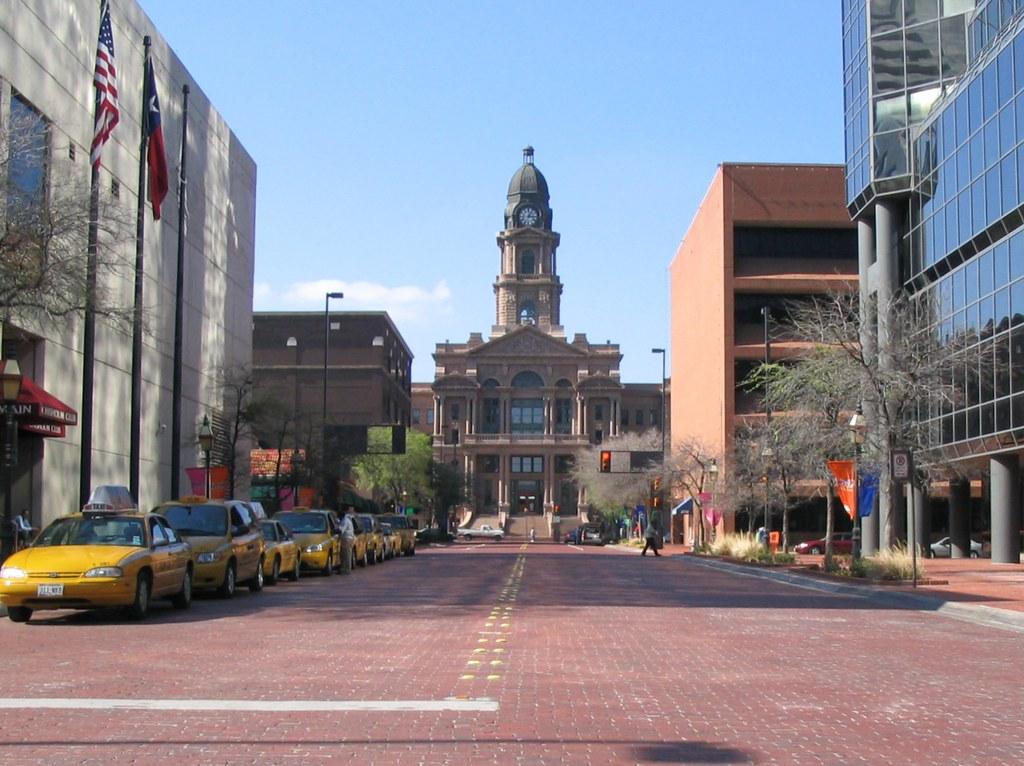
As Fort Worth gears up for its upcoming city council and mayoral elections in November 2026, candidates are placing significant emphasis on promises related to local jobs, public services, and infrastructure investments. These commitments will influence critical aspects of daily life for residents, including transportation, housing, and municipal services.
The spotlight on infrastructure and job creation comes amid mounting pressures faced by Fort Worth’s growing population, currently estimated at over 950,000. Rapid expansion has strained existing roadways, public transit options, and utility services. With the city's population forecasted to surpass one million by 2030, the need for sustained investment in infrastructure and employment opportunities is a key issue driving voter interest this election cycle.
What These Plans Mean for Fort Worth Residents
Candidates have outlined proposals focusing on road improvements, expanded public transportation, and affordable housing development. One proposal includes allocating $150 million over five years to upgrade arterial roads and reduce congestion on key corridors such as Interstate 30 and Hulen Street. Additionally, several candidates support increasing funding for Trinity Metro, which operates the city's public bus and commuter rail services, aiming to improve frequency and connectivity in underserved neighborhoods.
On the employment front, candidates emphasize fostering partnerships with local businesses and Fort Worth’s major employers in manufacturing and healthcare. For example, planned economic development zones in the Near Southside area are expected to create up to 3,000 jobs within the next decade, according to the latest city economic report. Expanding workforce training programs linked with Tarrant County College is also frequently mentioned, focusing on skills that match regional industry demands.
Financial Backing and Next Steps
The Fort Worth city budget for the 2026-2027 fiscal year allocates $450 million for capital projects, marking a 10% increase from the previous year. Approximately $250 million of this is directed towards transportation infrastructure, including road repairs and public transit enhancements. These figures are outlined in the City of Fort Worth’s Adopted Budget Document, publicly available through the city’s official website.
Over the coming months, residents can expect extensive community forums and public hearings hosted by the city election board. These sessions will offer voters detailed explanations of candidates' infrastructure and service plans, allowing them to assess how proposals align with Fort Worth’s immediate and long-term priorities. Once the election concludes, the newly elected council members will begin reviewing budget amendments and policy initiatives affecting transportation, housing, and workforce development, shaping the city's trajectory through 2030.