property
Fort Worth Property Market Shifts as Rental Costs Cool, Buyer Activity Changes
New data reveals shifting buyer activity and cooling rental costs as the city’s real estate landscape adjusts.
How we reported this
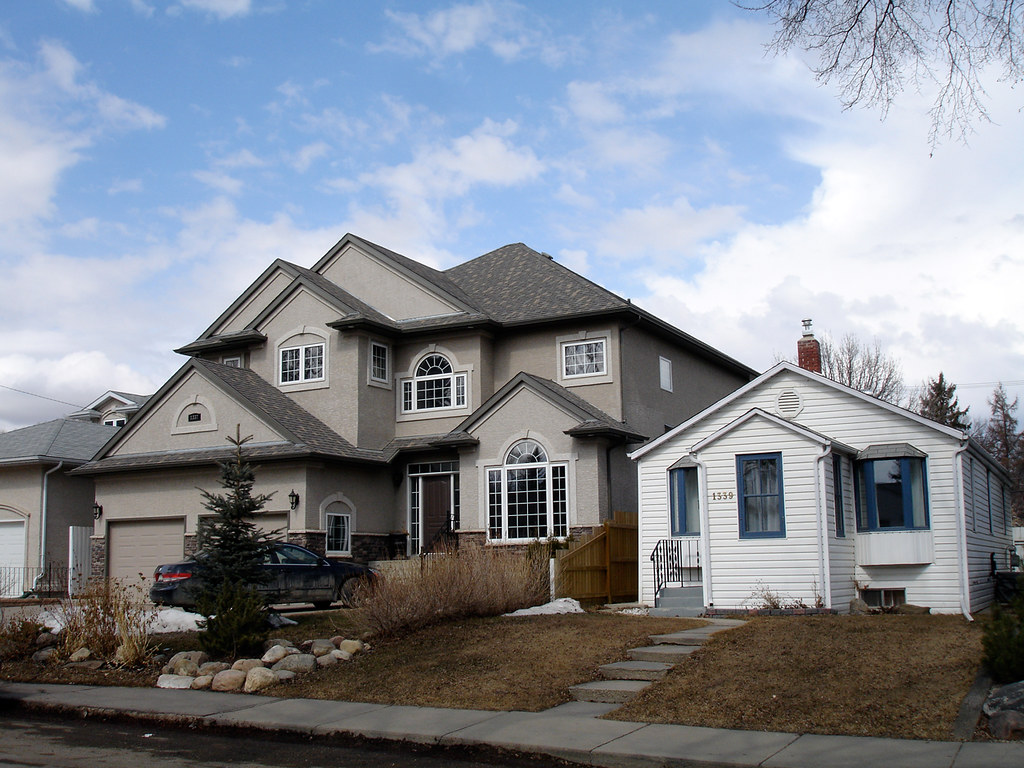
The Fort Worth residential real estate market is navigating a period of adjustment, with current data pointing toward a balanced environment for both buyers and tenants. As local planning decisions and broader economic policy continue to influence the housing sector, recent figures show a market characterized by steady activity and moderated price expectations. According to housing market data from Redfin, the median home sale price in Fort Worth was $338,000 for the three-month period ending in May 2026, representing a marginal year-over-year decline of 0.65% [1].
Buyer Activity and Market Inventory
Despite the slight softening in median prices, buyer engagement has shown resilience. Market reports from April 2026 indicate that closed home sales increased by 8.9% compared to the same period in the previous year [3]. This rise in transaction volume suggests that demand remains active, even as the market moves toward a more sustainable equilibrium. Supporting this balance is the level of available supply; as of April 2026, the city maintained 3.7 months of inventory, a figure typically associated with a market that offers a degree of choice to buyers while remaining slightly competitive [2].
Variations in Market Speed and Rental Trends
The time it takes for properties to move from listing to closing varies significantly depending on the valuation of the home. Across the city, the median time on the market has settled between 46 and 47 days [4]. However, this timeframe is not uniform across all segments; homes priced at $600,000 and above often remain on the market for 90 days or longer, reflecting different demand pressures at higher price tiers [4].
Meanwhile, the rental market is experiencing a cooling phase. The median monthly rent in Fort Worth is currently $1,700, with asking prices having decreased by 2.51% year-over-year [5]. This moderation in rental costs provides a different perspective on the city's housing affordability, as residents balance these figures against the costs of homeownership in an environment where supply and demand are increasingly aligned.
Prospective buyers and renters are advised to monitor these local trends as policy impacts and planning decisions filter through the broader Tarrant County region. By focusing on the specific price tiers and inventory levels mentioned, participants in the market can better navigate current conditions as the city moves through the second half of 2026.
This article is general information only and is not personal financial or investment advice. Consider your own circumstances and seek licensed professional advice before making financial decisions.